May 24, 2026 • Cara Meltzer • 9 min reading time • Prices verified June 5, 2026
Replacement Blades and Pitchers: How to Avoid Counterfeit Parts That Void Your Warranty
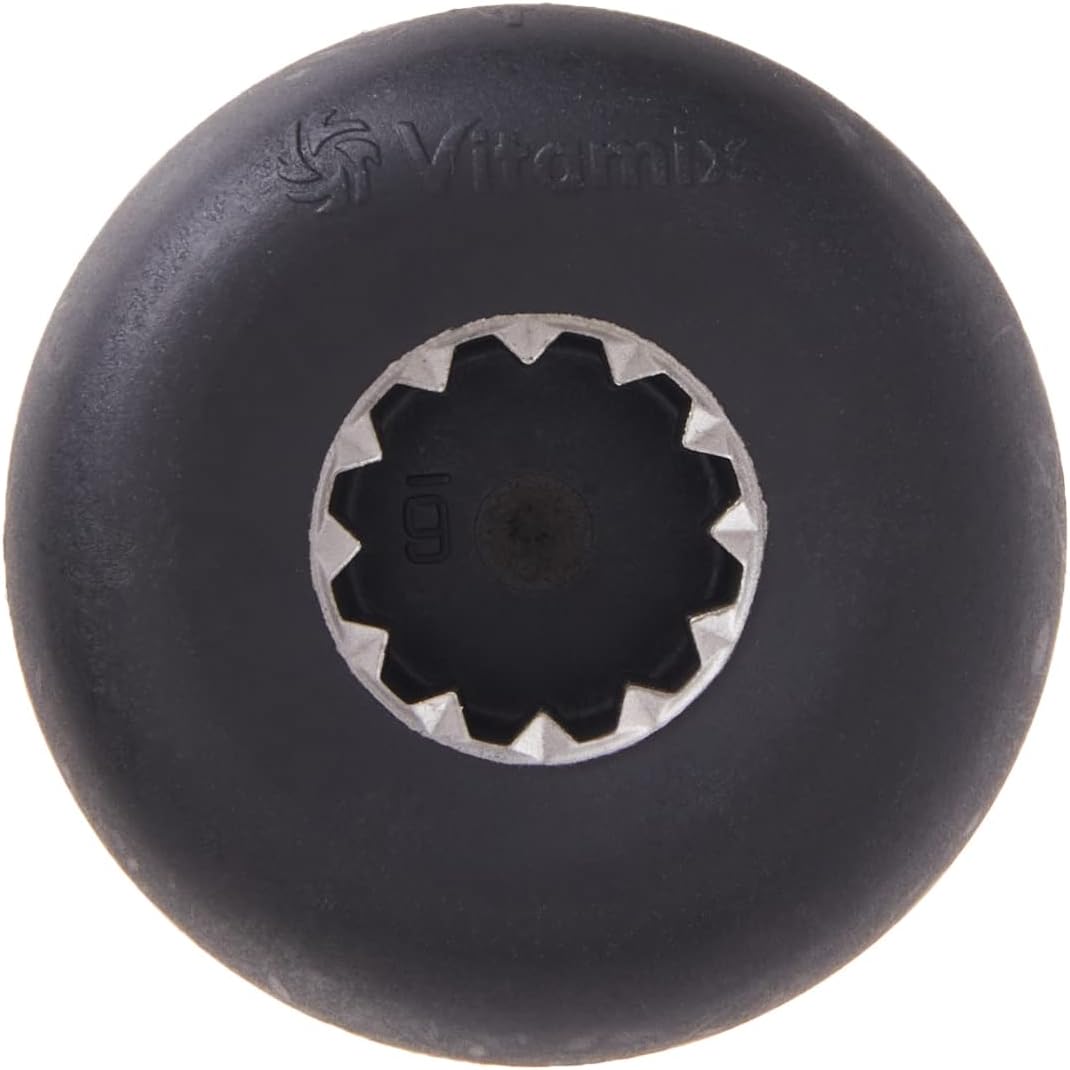
You’ve spent real money on a blender — maybe a Vitamix, a Blendtec, or a Breville Super Q — and now something needs replacing. The blade assembly (the spinning metal piece at the bottom of the jar that does the actual cutting) is looking worn, or the pitcher (the container itself, also called a jar or carafe) has a crack. You search online, and you find what appears to be the exact same part for 40 percent less than the manufacturer charges. Tempting. The problem is that the blender parts market is flooded with counterfeits — knockoff components made to look like genuine OEM (Original Equipment Manufacturer) parts but built to looser tolerances, with lower-grade materials, and zero accountability. Buy one of those parts and you may not just get a bad blend — you may silently kill your warranty, which on a $600 Vitamix is worth hundreds of dollars in covered repairs. This guide is for anyone who’s hit that crossroads: you need a replacement part, you’re comparing sources, and you want to get it right the first time.
| EDITOR'S PICK[Vitamix 48-Ounce Stainless-Stee…](https://www.amazon.com/dp/B089ZMPRLD?tag=greenflower20-20) | Mid-tier[Vitamix Drive Socket Kit](https://www.amazon.com/dp/B0CGPYMVKJ?tag=greenflower20-20) | Budget pick[Replacement Extractor Blade](https://www.amazon.com/dp/B0028Y4CT6?tag=greenflower20-20) | |
|---|---|---|---|
| Capacity | 48 oz | — | — |
| Material | Stainless steel | Metal | — |
| Dishwasher safe | ✓ | — | — |
| BPA free | ✓ | — | — |
| Self-detect | ✓ | — | — |
| Includes gasket | — | — | ✓ |
| Price | $249.95 | $16.95 | $9.52 |
| See on Amazon → | See on Amazon → | See on Amazon → |
Why Counterfeit Blender Parts Are a Bigger Problem Than You Might Expect
The premium blender market has a serious gray-market problem. Because brands like Vitamix, Blendtec, and Breville sell machines that last 5–10 years, there’s a steady, predictable demand for replacement pitchers and blade assemblies. That makes the accessories market worth manufacturing knockoffs for. Consumer Reports’ coverage of counterfeit products online notes that kitchenware and small appliances are among the most commonly counterfeited product categories on major third-party marketplaces — and replacement parts for high-end blenders sit squarely in that risk zone.
The issue isn’t always obvious fraud. Sometimes a listing is technically “compatible” — meaning the part physically fits — without being OEM-quality or OEM-certified. A blade with slightly softer steel, a pitcher molded from a resin that isn’t certified food-safe at high friction temperatures, or a gasket (the rubber ring that seals the blade assembly) made from an off-spec compound can all cause real problems: degraded blend performance, container clouding from micro-abrasion, and — the one that actually costs you money — a voided warranty.
Vitamix’s official warranty documentation, published on vitamix.com, explicitly states that damage caused by the use of non-approved accessories or replacement parts may void warranty coverage. Blendtec’s accessories page carries similar language. This isn’t boilerplate — warranty service teams do ask where a part came from when you call in a claim.
How to Spot a Counterfeit Part Before You Buy
Tradeoff #1: Price versus provenance. A genuine Vitamix 64-oz. low-profile container (the standard pitcher for the Ascent and Explorian series) retails between $130 and $160 directly from Vitamix as of mid-2026. If you’re seeing it for $60–$70 from a third-party Amazon listing or an unfamiliar storefront, the math doesn’t work — the margin required to resell a genuine part at that discount doesn’t exist in normal distribution. Wirecutter’s blender coverage has consistently flagged this gap: if the price looks too good, the part probably isn’t what it claims to be.
Tradeoff #2: Fulfilled-by-Amazon vs. sold-by-brand. Amazon’s marketplace allows third-party sellers to list under the same product page as genuine parts — a practice Consumer Reports has flagged as a recurring source of counterfeit exposure. When a listing says “Sold by [unfamiliar seller name] and Fulfilled by Amazon,” the fulfillment is Amazon’s (meaning shipping speed is real), but the product authenticity is the seller’s responsibility, not Amazon’s. The safer path on Amazon is listings where the seller is the brand itself (e.g., “Vitamix” or “Blendtec” as the listed seller), not a third party riding the brand’s product page.
Tradeoff #3: Blade markings and gasket color. Genuine Vitamix blade assemblies carry laser-etched part numbers on the metal housing; reviewers and owners across long-run forum discussions consistently note that counterfeit assemblies either omit these markings entirely or feature printed (not etched) text that smears with moisture. Blendtec’s blade assemblies similarly carry specific casting marks on the underside. If a seller can’t provide clear photos of these marks, treat that as a red flag.
What to look for in pitcher/container listings:
- Food-safe resin certification language (Tritan copolyester by Eastman Chemical, BPA-free) explicitly matching the manufacturer’s own spec sheet
- Matching batch codes on the bottom of the container that correspond to the manufacturer’s current production runs
- Country of manufacture matching what the brand publishes (Vitamix containers are manufactured in the United States; this is verifiable on vitamix.com)
By the Numbers
| Source | Typical Price: Vitamix 64-oz. Container | Warranty Risk |
|---|---|---|
| Vitamix direct (vitamix.com) | $130–$160 | None |
| Vitamix Certified Reconditioned store | $90–$110 | Covered under reconditioned warranty |
| Authorized retailer (Williams Sonoma, Sur La Table) | $130–$160 | None |
| Third-party marketplace listing (unverified seller) | $55–$80 | High — potentially voids warranty |
Where to Actually Buy Replacement Parts (and Which Sources to Trust)
The manufacturer’s own website is the cleanest option. Vitamix.com and Blendtec.com both sell their full parts catalogs directly. You pay full retail, but you get OEM certification, and the transaction creates a documented record that can support a future warranty claim. Both brands also list which parts are compatible with which machine generations — useful because blade assemblies from a 2019 Vitamix 5200 are not interchangeable with those from a 2024 Ascent A3500 without checking the compatibility matrix.
Vitamix’s Certified Reconditioned program is worth knowing about. Vitamix sells factory-reconditioned pitchers and blade assemblies through its own reconditioned store at a meaningful discount — typically 25–35% below new retail — and these parts carry their own warranty. Serious Eats has flagged Vitamix’s reconditioned program as one of the most credible refurbishment programs in the premium appliance space. This is the “if you’re price-sensitive but still want warranty coverage” answer.
Authorized retailers carry genuine parts. Sur La Table, Williams Sonoma, and Bed Bath & Beyond’s successor retail footprint carry genuine Vitamix and Blendtec accessories. The selection is narrower than buying direct, but these retailers are authorized resellers, which means counterfeit exposure is low. Good Housekeeping’s blender coverage consistently recommends staying within the authorized dealer network for accessories for exactly this reason.
Third-party “compatible” parts: when they’re acceptable and when they’re not. There’s a meaningful distinction between counterfeit parts (deliberately misrepresented as OEM) and genuine third-party compatible parts (openly sold as aftermarket alternatives). For out-of-warranty machines — say, a Vitamix 5200 that’s 12 years old and no longer covered — an aftermarket blade assembly from a reputable kitchen supply brand can be a reasonable call, because the warranty protection you’d be “risking” no longer exists. The math shifts when your machine is still under its original warranty (Vitamix’s full warranty runs 5–10 years depending on series; Blendtec’s runs 8 years on most home models). During that window, the cost of a voided warranty claim dwarfs any savings from a cheaper part.
The Warranty Fine Print That Actually Matters
Most people skim warranty documentation. Here’s what the relevant clauses actually say, translated:
“Damage resulting from unauthorized modifications or use of non-approved parts” — this is the standard exclusion language in Vitamix’s warranty, and it creates a real liability. If your motor burns out 18 months into ownership and you’ve been running a third-party blade assembly, Vitamix’s service team can decline the claim by attributing the damage to the non-approved part. You don’t have to be obviously negligent for this to apply.
“Commercial use on a residential warranty” — a secondary issue that catches juice bar owners and small food-service operators. If you’re running a machine purchased under a residential warranty in a commercial-adjacent context (even home-based), using non-OEM parts can compound the coverage risk. Vitamix sells separate commercial lines (the Vitamix Advance and the Vita-Prep series) with commercial warranties, and Blendtec has its own commercial tier. Operators in this position should buy parts through commercial channels, where the warranty language is written for high-volume use.
Warranty card registration — both Vitamix and Blendtec allow online warranty registration, and doing so creates a timestamped record of your purchase date and model. This matters because if you later buy replacement parts from an authorized source, you want to be able to demonstrate the machine’s warranty timeline clearly. Wirecutter’s blender guide has noted that warranty registration is one of the most consistently overlooked steps in premium blender ownership.
The Decision Framework: If X, Then Y
This is the matrix that should govern your parts purchase:
If your machine is within its original warranty period → Buy OEM parts only. Use the manufacturer’s direct website or a verified authorized retailer. The warranty protection you’d be gambling away is worth far more than the price difference on a blade assembly.
If your machine is out of warranty but less than 2 years old → Still prefer OEM. Out-of-warranty machines can still fail in ways where manufacturer goodwill matters, and brands like Vitamix have a documented history of offering paid repairs at reasonable rates — which they’re more likely to extend if your parts history is clean.
If your machine is 5+ years old and out of warranty → Aftermarket parts from a reputable, named brand are a defensible choice, but buy from a seller with a return policy and clear materials disclosure (food-safe resin specs, blade steel grade). Avoid any seller that can’t answer basic questions about what the part is made from.
If you’re in a commercial or semi-commercial context → Buy from the manufacturer’s commercial parts program, full stop. The liability exposure from a counterfeit part in a food-service context goes beyond warranty — it touches food safety.
If the price is more than 35% below manufacturer retail from an unverified seller → Walk away. The savings don’t survive the math when you factor in the warranty risk, the potential for inferior blending performance, and the replacement cost if the counterfeit part damages the motor or drive socket.
The short version: the blender parts market rewards patience and a willingness to pay manufacturer pricing during the warranty window. After that, the calculus opens up — but only with eyes open about what you’re buying and from whom.