May 29, 2026 • Cara Meltzer • 9 min reading time • Prices verified June 5, 2026
The Refurbished Blender Advantage: How to Buy a Vitamix or Blendtec for Half Price Without the Regret
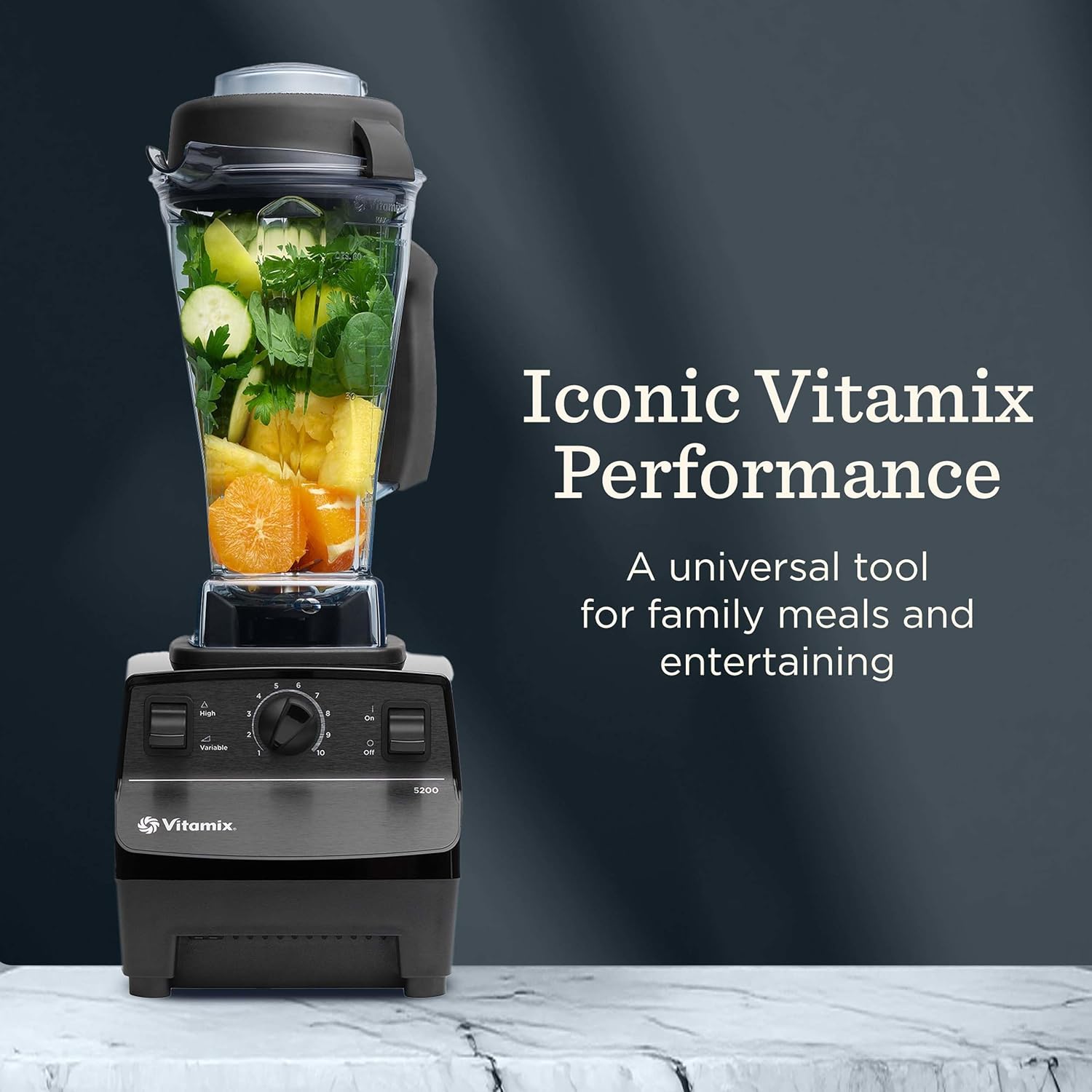
If you’ve been eyeing a Vitamix or Blendtec but can’t quite stomach the $500–$700 retail price, here’s the thing almost nobody tells you upfront: both brands sell certified-refurbished units directly from their own websites at 30–50% below the cost of new. “Certified refurbished” — sometimes called “reconditioned” — means the machine was returned to the manufacturer, inspected, repaired if needed, tested to meet original performance standards, and repackaged for resale. It is not a secondhand blender you found on a classified site. It is not a floor model that sat under fluorescent lights for six months. It is a machine the manufacturer is willing to put their name back on and, crucially, back with a real warranty. This guide will walk you through exactly how those programs work, where the genuine tradeoffs live, and how to decide whether a refurbished unit is the right call for your situation — or whether the math actually favors buying new.
What “Certified Reconditioned” Actually Means at Vitamix and Blendtec
The word “refurbished” carries a lot of baggage because it means wildly different things in different contexts. A refurbished laptop from a gray-market reseller and a reconditioned Vitamix from Vitamix.com are not the same category of risk. Let’s be specific.
Vitamix’s program, listed on vitamix.com as “Certified Reconditioned,” covers machines that were returned for any reason — changed minds, minor cosmetic issues, trade-ins from the Vitamix loyalty upgrade program, and a small share of warranty returns that were repaired and cleared. Per the Vitamix Certified Reconditioned program page, every unit goes through a multi-point inspection, receives any required replacement parts (which are genuine OEM components — that is, original parts made by or for Vitamix), and is tested before shipping. Cosmetic blemishes may be present. The warranty is five years for most reconditioned models, which is shorter than the ten-year warranty on new Vitamix units but still longer than the warranty on most brand-new mid-tier blenders from competing brands.
Blendtec’s program, listed on blendtec.com as “Factory Reconditioned,” follows a similar model. Units are inspected, refurbished with genuine parts, and tested at the factory. The warranty on reconditioned Blendtec machines is three years, compared to eight years on new units. Cosmetic imperfections are expected; functional performance is supposed to be indistinguishable from new.
Both programs sell directly through the brand’s own website — not through third-party marketplaces. That distinction matters because it means the warranty is honored directly, without a middleman, and the inspection process is the brand’s own quality control rather than a reseller’s.
The Real Numbers: What You Actually Save
Here’s where the practitioner framing earns its keep. The savings are real, but the spread varies by model and by what’s in stock at any given time — refurbished inventory is finite and rotates.
By the numbers (approximate street pricing, May 2026):
| Model | New Retail | Reconditioned | Savings |
|---|---|---|---|
| Vitamix 5200 | ~$449 | ~$269–$299 | ~33–40% |
| Vitamix Explorian E310 | ~$349 | ~$199–$229 | ~33–43% |
| Vitamix A2500 Ascent | ~$549 | ~$329–$369 | ~30–40% |
| Blendtec Classic 575 | ~$349 | ~$199–$229 | ~33–43% |
| Blendtec Designer 625 | ~$449 | ~$269–$299 | ~33–40% |
Prices are approximate and fluctuate; check brand websites for current listings.
On a $449 Vitamix 5200, a 35% discount saves you roughly $157. That’s not trivial — it’s most of the cost of a mid-tier Ninja or Breville blender. If you’re running a daily smoothie protocol and treating this as a multi-year investment, the cost-per-use math shifts significantly in favor of the reconditioned route. Wirecutter’s “The Best Blender” guide (updated 2025) has long flagged the Vitamix reconditioned program as one of the best ways to access the brand’s performance tier without paying full price, noting that the machines consistently outperform the price premium over mid-tier alternatives even at full retail.
The shorter warranty on reconditioned units is the real cost you’re accepting. Over a five-year window on a Vitamix, or three years on a Blendtec, you’re still covered for defects and motor failures. The question is whether years six through ten (Vitamix) or four through eight (Blendtec) represent meaningful incremental risk for your use case. For a household running one or two blends per day, the motor load is relatively low; for a small juice bar or daily heavy-use operator, the longer warranty has genuine financial value.
Where the Risk Actually Lives (and Where It Doesn’t)
Most of the objections people raise about refurbished blenders dissolve when you’re buying directly from the manufacturer’s certified program. But a few real risks are worth naming explicitly.
Cosmetic imperfections are real. Both brands are upfront about this. The base housing may have scratches, scuffs, or color inconsistencies. The container — the jar you blend in — may show light surface marks. This doesn’t affect performance, but if you’re the kind of person who will be quietly annoyed every time you look at a scratch on your countertop appliance, that’s a legitimate preference worth acknowledging. Some buyers are fine with it; some aren’t.
Inventory is unpredictable. Reconditioned stock is not a catalog. If you want a specific color or a specific container size, you may have to check back multiple times before it appears. Both brands rotate stock, and popular models sell through quickly. This isn’t a dealbreaker, but it does mean reconditioned buying rewards patience. If you need a blender in the next 48 hours, buy new.
Container material still matters. Whether you’re buying new or reconditioned, Vitamix and Blendtec both use BPA-free co-polyester plastic (similar to Tritan) for most containers. The microplastics question — whether blending in plastic containers introduces microplastic particles into food — is an evolving area of research, and neither brand has fully resolved the conversation. Vitamix offers stainless steel and glass container options at additional cost; if this is a concern for you, it applies equally to new and reconditioned units. Good Housekeeping’s “Best Blenders of 2025” guide notes that glass container options remain niche and add significant weight, but they’re worth considering for buyers with specific material concerns.
The “what went wrong with it” question. This is the concern that drives most hesitation about refurbished machines. The honest answer is: you won’t always know. Both brands have policies that don’t disclose the specific return reason. What you can know is that the machine passed a post-refurbishment inspection, came with genuine replacement parts, and is covered under warranty if anything fails after you receive it. Consumer Reports’ Blender Ratings and Reliability Survey (2025) has consistently rated both Vitamix and Blendtec above average for long-term reliability across their product lines — a useful baseline for understanding how often these machines actually fail under normal household use.
Third-party “refurbished” listings are a different animal. If you see a Vitamix listed as “refurbished” on a general marketplace, it did not go through Vitamix’s own program. It may have been serviced by a third-party repair shop with non-OEM parts, or it may simply be a seller’s loose use of the word. The warranty situation will be murky or nonexistent. The safest rule: if it didn’t come from the brand’s own website or an authorized retailer running the brand’s certified program, it’s not the same product.
How to Actually Buy: Decision Rules
Here’s the framework for making this call quickly.
Buy reconditioned if:
- You’re buying a Vitamix or Blendtec and the specific model you want is in stock in the reconditioned program.
- You can wait up to a few weeks for inventory to appear if your first choice isn’t available today.
- Cosmetic imperfections won’t bother you on a daily-use appliance.
- A 5-year warranty (Vitamix) or 3-year warranty (Blendtec) is sufficient for your use pattern — roughly household or moderate daily use.
- You want to access the premium performance tier without the full retail price.
Buy new if:
- You are running a commercial or semi-commercial operation (juice bar, personal chef catering service) where the machine is running 8–12+ cycles per day and the full 8-10 year warranty is meaningful insurance.
- You need a specific color or configuration that isn’t available in reconditioned stock and can’t wait.
- The cosmetic imperfection factor is genuinely a quality-of-life issue for you — that’s a real preference, not a wrong one.
- You’re buying as a gift and presentation matters.
Buy neither and reconsider your tier if:
- Your actual use case is two smoothies a week and occasional soup. Serious Eats’ “The Best High-Performance Blenders” review notes that the performance delta between a Vitamix and a well-tuned mid-tier machine like the Breville Super Q narrows considerably for light-to-moderate use. If the honest workload doesn’t justify premium, no amount of discount changes that math.
One underrated move: both Vitamix and Blendtec run periodic promotional discounts on their reconditioned programs around major retail periods (November, post-New Year). The base discount is already significant, but buyers who check back during those windows have reported reconditioned pricing that drops to 40–50% off the equivalent new price. If timing is flexible, that window is worth targeting.
The Warranty Fine Print You Actually Need to Read
Both brands honor their reconditioned warranties through direct customer service, not through third-party processors. The Vitamix 5-year reconditioned warranty covers defects in materials and workmanship, motor and drive system issues, and blade assembly problems. It does not cover damage from misuse — running the blender dry, blending materials outside the designed use case, or physical damage to the container.
The Blendtec 3-year reconditioned warranty covers the same categories. Blendtec’s jar warranty specifically covers the WildSide+ and FourSide containers for 1 year on reconditioned units, separate from the motor warranty — a detail worth noting if you’re planning to add a secondary container.
Both brands require warranty service through their own customer support channels, and both have a track record of honoring claims without significant friction, which is a meaningful part of the value proposition here. An inexpensive blender with no warranty costs nothing to own until it costs everything to replace.
The bottom line is straightforward: the reconditioned programs from Vitamix and Blendtec are, for most buyers in the intermediate-to-premium tier, the highest-value entry point into commercial-grade blending performance. The savings are real, the warranties are legitimate, and the risk is limited and well-defined. The main thing the discount costs you is cosmetic perfection and a few years of warranty tail — and for most use cases, that’s a trade worth making.